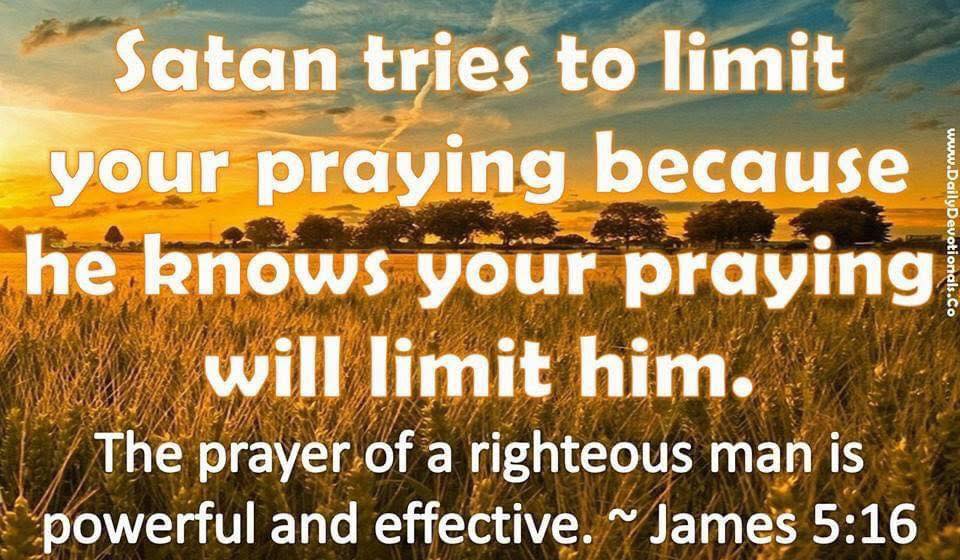
James 5:16
Refrain:
1. I want to see the city away beyond the sky,
With pearly gates and walls of shining stones so great and high;
Beside the crystal river there is a fruitful tree;
And, oh, I want to see the mansions made for you and me!
2. I never will get hurt there, I’ll never have to cry;
No pain or sickness there in Heav’n, and none will ever die;
There Satan cannot tempt me to even once be bad,
For sin can never enter Heav’n—I’ll be so safe, so glad!
3. I’ll see old Noah, Moses, Elijah, Daniel, Paul,
And all the millions since that time who gave to God their all;
The many little children who’ve died before they’re old
Are singing ’round the throne of God, and play on streets of gold!
4. Oh, there I’ll be so happy with friends both old and young;
The lame and blind, now healed and well, praise God in endless song;
The angels too will join us; and dressed in spotless white,
We’ll not get tired of praising God, for there there is no night!
Nahum 1:7 states: “The Lord is good, a stronghold in the day of trouble; and he knows them that trust in him.” This verse highlights God’s dual nature: He is both good and a source of strength in difficult times, offering refuge to those who rely on Him.
It was my observation while reading the fourth chapter of Ezekiel that God introduced Ezekiel to the House of Israel with unconventional tactics, almost theater in nature. He was bound up with ropes in his house for a while. Now, he is outside and building a model of Jerusalem in clay. He is told in clear words; this model is a sign for the house of Israel. No big amphitheater events, no drama at the river, no shouting in the streets on a soap box. This is a picture of the siege for Jerusalem that is soon to come.
Ezekiel 4:1-3 says — “Now, son of man, take a block of clay, put it in front of you and draw the city of Jerusalem on it. Then lay siege to it: Erect siege works against it, build a ramp up to it, set up camps against it and put battering rams around it. Then take an iron pan, place it as an iron wall between you and the city and turn your face toward it. It will be under siege, and you shall besiege it. This will be a sign to the people of Israel [NIV].
These people were a long way from Jerusalem, they had been forced with the threat of death to leave their homes and walk to a place along the Kabar River to make things for Babylon. They longed to go home. Their heart was still in Jerusalem, the faithful had their eye on God (see Daniel 6:10). The presumptuous were arrogant in their belief the trip back to their home was just around the corner – after all, they were God’s people.
They were sure the King of Jerusalem would stand tall and get them back. He would get them out of the mess. It is possible that communication occurred from time to time between the captives and the people in Jerusalem. Clearly, they were not prepared for the message that was coming to them from Ezekiel. They had no sense of what was soon to happen – the siege of Jerusalem by the Chaldean Army (from southern Babylon, the army of Nebuchadnezzar II) and the famine inside the city that would be associated with that siege.
This display from Ezekiel was designed to catch the attention of the more thoughtful of the group. They had to come by and look at the event. Then they had to talk about what they were seeing with Ezekiel and with others to make some sense of it. I would suspect most saw it as mere theatre, but some realized what was portrayed and wondered what to make of the message.
He was told to build small structures representing the temporary forts built by the Chaldeans. He placed an iron pan between the clay city and himself. Most think this represents the inflexible position of both sides. The Chaldeans were pressing to become masters of the city, crushing the culture and the government. The Jews were resolved to resist, but eventually after about 13 months they lost the event.
I should also say that the total timeline for the siege was 18 months. There was about 5 months in the 18-month window that the Chaldeans were preoccupied with an advancing Egyptian army (see (Jeremiah 37:5-8). Once that situation was resolved by pushing back the Egyptians, they continued working the siege to completion (see Jeremiah 52:4-6).
After the clay model was built, Ezekiel lay on his side for a long time (390 days, yes over a year) to demonstrate the seriousness of the situation. Most commentators suggest the 390 days spoke to the 390 years of Hebrew apostacy from Jeroboam (approximately 929BC) to the fall of Babylon by Cyrus (approximately 539BC). This is the period of time that the house of Israel (the ten tribes) had been in rebellion. It was Cyrus who sent the House of Israel back to Jerusalem to rebuild the temple. God will have his way. He is sovereign. I choose Jesus.
Romans 8:38-39 – For I am convinced that neither death nor life, neither angels nor demons, neither the present nor the future, nor any powers, neither height nor depth, nor anything else in all creation, will be able to separate us from the love of God that is in Christ Jesus our Lord.


 Shalom Talk